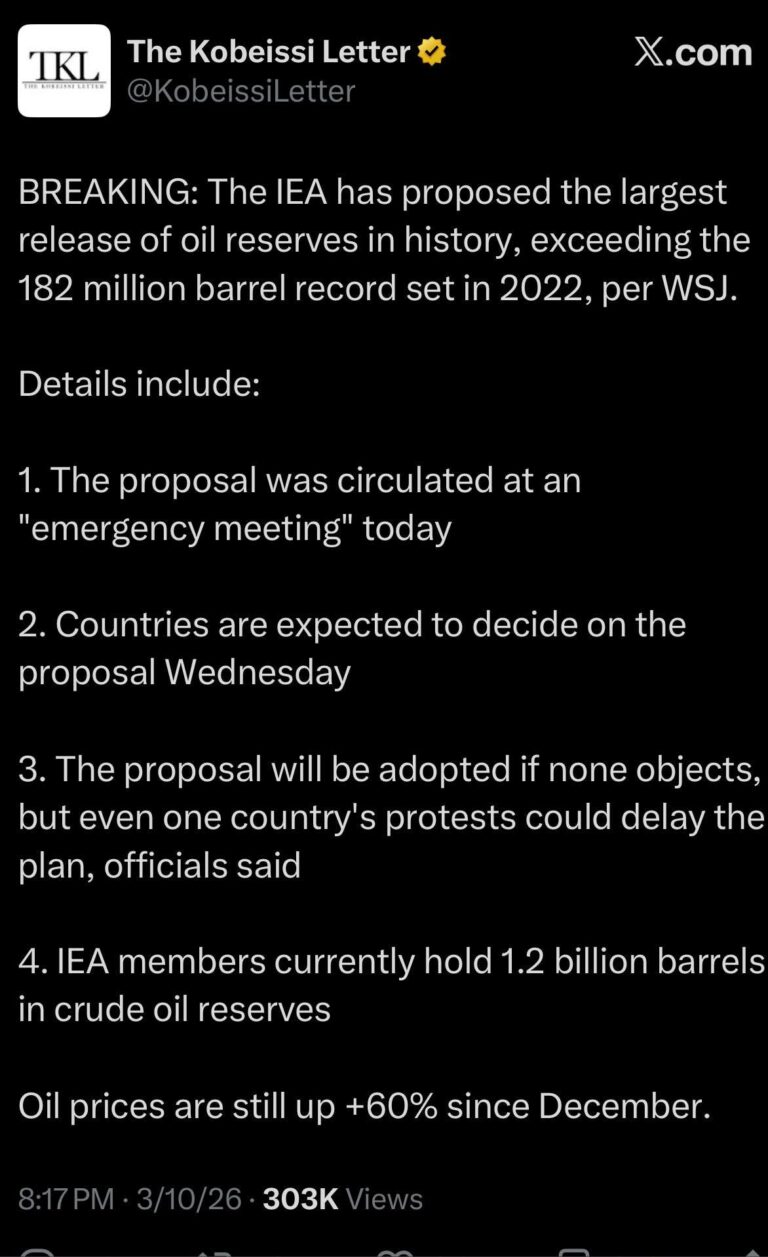
Iran has crossed a significant threshold. Following confirmed strikes on banking infrastructure inside Iran, Iranian military sources are now threatening retaliatory action against US and Israeli financial centers across the region, with specific signals pointing toward tech sector targets. This represents a deliberate strategic shift from military-to-military engagement toward targeting civilian economic infrastructure, a move that places ordinary American workers, employees of major technology companies, directly in the crosshairs of a regime at war.
This escalation is not a sign of Iranian strength. It is the signature of a losing force making a desperate play.
Regimes that are winning wars fight on the battlefield. They do not threaten banks, financial centers, and technology campuses populated by civilian workers. The decision to escalate toward economic and civilian targets is a calculated gamble by Tehran, an attempt to generate enough global economic disruption and political pressure to force Washington and Jerusalem to stand down before the military situation deteriorates further.
It will not work, but it must be recognized for what it is.
Iran’s air defense architecture has been severely degraded since strikes began on February 28. Their missile and drone stockpiles are being systematically reduced. Proxy networks across Lebanon, Iraq, and Yemen are fractured or operating under significant constraint. The transition in the supreme leadership with Mojtaba Khamenei installed only days ago creates internal uncertainty at the command level. These are the conditions that produce exactly this kind of escalatory threat: loud, broad, and designed to intimidate rather than defeat.
Threatening US tech sector targets is significant for one specific reason.
It signals Iran is willing to accept international condemnation for targeting civilian economic infrastructure in exchange for the psychological and political impact of threatening American workers on American soil or in American-affiliated facilities abroad. That is a terrorism calculus, not a military one.
Iran is making a massive, desperate move because they are losing and they know it. The targeting of financial centers and technology infrastructure is designed to change the psychological terrain of this conflict when they can no longer change the physical terrain.
Desperation dressed as escalation is still desperation. Do not be deceived by it.
5th Generation Warfare at its most defined level