(This article was written by Derk Jan Eppink and appeared in Wynia’s Week. Derk Jan Eppink: Sahra Wagenknecht heeft in Duitsland de sleutels tot de macht in handen)
For the first time since the departure of Angela Merkel, as the most prominent politician from eastern Germany, a new East German phenomenon is rising on the horizon of German politics: Sahra Wagenknecht (55). After resounding election results with her Bündnis Sahra Wagenknecht (BSW) in the state elections in Saxony and Thuringia, she is also a newcomer in the state of Brandenburg, where elections will be held on Sunday 22 September. Wagenknecht seems indispensable for forming a coalition, and next year there are federal elections for a new Bundestag. She is a rising star, but who is Sahra Wagenknecht?
A good opportunity to travel to Cottbus once again, to observe her during a rally in front of the ‘Stadthalle Cottbus’. In December 1989 I was in that town to make a report for NRC Handelsblad about the ‘hinterland’ of the GDR, then still unknown territory. Cottbus, in the southeast of Germany near the Polish border and with an old town that has since been quite nicely restored, still shows the remnants of GDR architecture. Being anything other than ‘East German’ is almost impossible here. And that is fertile soil for Sahra Wagenknecht’s campaign.
In front of the Stadthalle several hundred people have gathered to listen to the ‘phenomenon’. She appears precisely on time, überpünktlich, on the stage, which is shielded by an iron fence because in Erfurt she was recently attacked by a man who sprayed red paint over her. Security guards keep an eye on the audience, and directly behind the stage stand two cars: her official car and a black Mercedes with a flashing light. She can no longer go out on the street alone.
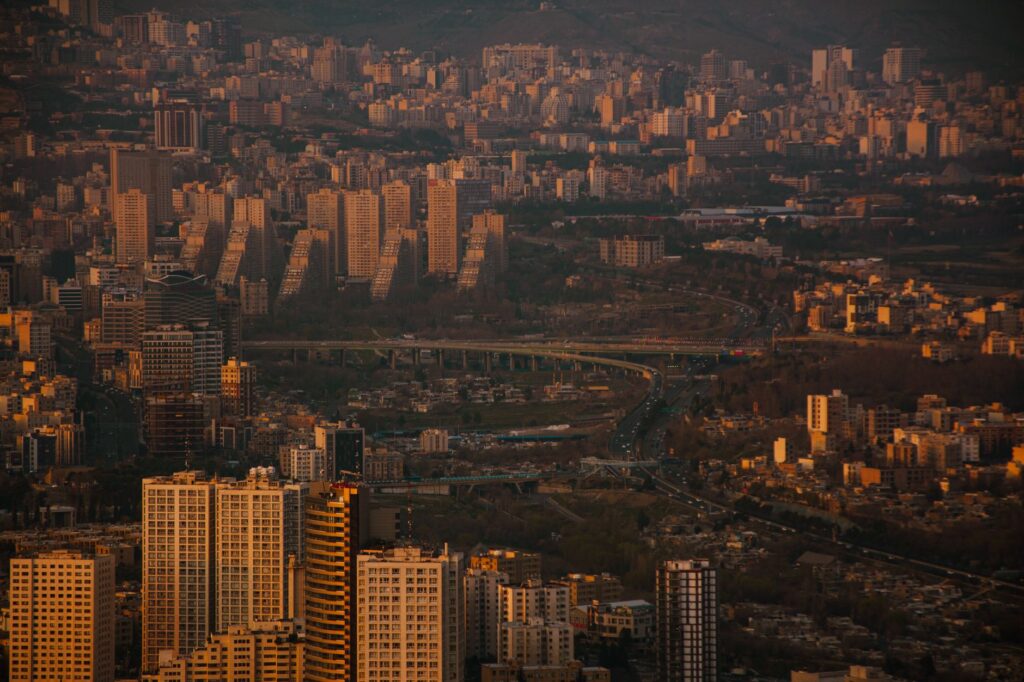
Wagenknecht, born in Jena, with an East German mother and a father – from the Persia of the Shah – who studied in West Berlin and above all demonstrated against the Peacock Throne in Tehran. He returned to Persia in the early 1970s – when Sahra was 3 years old – and was never heard from again.
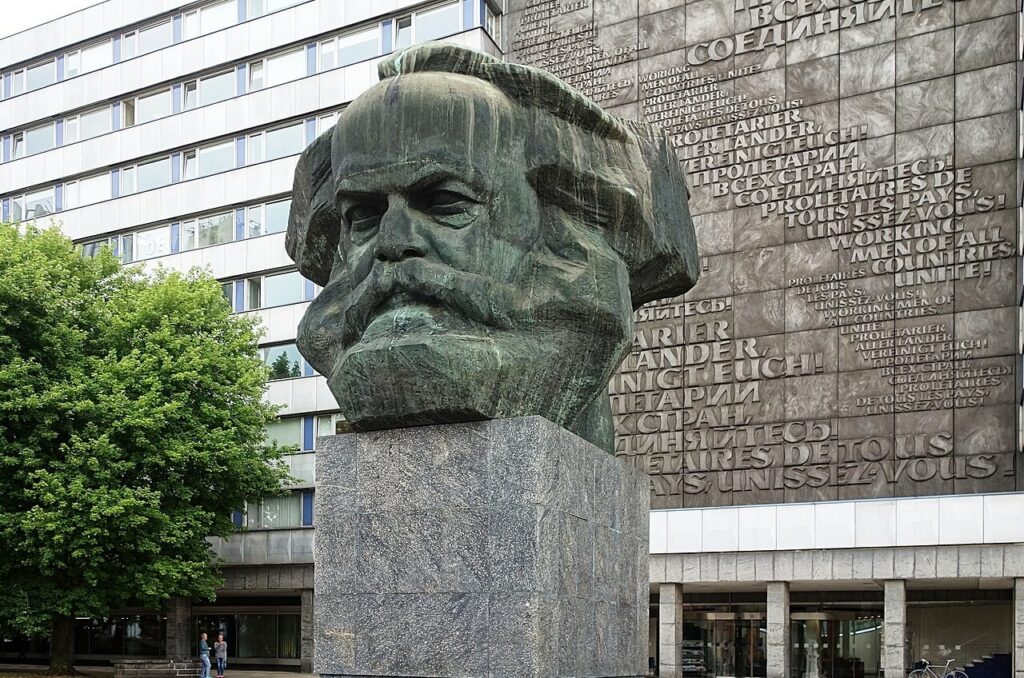
Wagenknecht started out as a communist in the GDR and became a member of the ruling Socialist Unity Party of Germany (SED), of all years in 1989, when the Berlin Wall fell. She turned into a convinced Marxist, wanted to preserve a ‘reformed GDR’ and was against the reunification of Germany. Anyone who now confronts her with this gets an answer such as she gave recently in the Tagesspiegel, that former chancellor Angela Merkel in the GDR ‘was once secretary of the Freie Deutsche Jugend (FDJ), responsible for agitation and propaganda. I assume there are nice quotations from that too, if you look for them’.
The turnaround in Wagenknecht began after her friendship with Oskar Lafontaine (80), whom she would marry in 2014. Lafontaine was an SPD politician, a former candidate to become chancellor and finance minister at the time of chancellor Gerhard Schröder. That combination led to an explosion and Lafontaine left the SPD.
He became a sort of father figure who maneuvered Wagenknecht toward the more practical insights of the social market economy. Her Marxist background can still be heard in her strictly ordered speeches; straight-lined as taught in the Parteischule. Rhetoric is her strong point, and a ‘practical joke’ does not feature in her repertoire. West German politicians are no match for her in debate; she dominates.
Wagenknecht’s winning formula is that BSW is left-wing on economic matters but right-wing on migration, and turns against woke, which she ridicules above all as a fashionable phenomenon of the German greens, the ‘oat milk and café latte politicians’. In Cottbus that goes down well.
Wagenknecht does mark a difference with the Alternative für Deutschland (AfD) through a businesslike use of language about migration. No tirades against foreigners. She links this theme to the consequences of excessive immigration for housing, education and healthcare. ‘The situation in education is deplorable; the majority of the children do not speak German when they start school’.
She also points to the housing shortage, while more and more asylum seekers are traveling to Germany. Germany is short of 700,000 homes, rents are rising, and East Germans in particular are getting squeezed. Conclusion: Germany cannot cope with this wave of immigration.
Wagenknecht draws loud applause as soon as she starts on the war in Ukraine. She calls the Russian invasion of Ukraine ‘a crime’, but believes that the arms deliveries must be ended immediately as soon as Putin agrees to a ceasefire along the current front line. ‘Then there must be negotiations about what should happen with those territories. The best thing is to ask the people in the Donbas and Crimea in a referendum under UN supervision which country they want to belong to.’
Wagenknecht draws a moral equivalence between Russia and the United States. The listeners go into ecstasy when she starts on that, because the ‘Westbindung’ that has characterized West Germany is entirely absent in East Germany. ‘How many countries has the US reduced to ashes, with millions dead; how many people has America killed with drone attacks?’ It goes down like sweet cake. In possible coalition negotiations in the states of Saxony, Thuringia and Brandenburg she wants to put the war in Ukraine on the table.
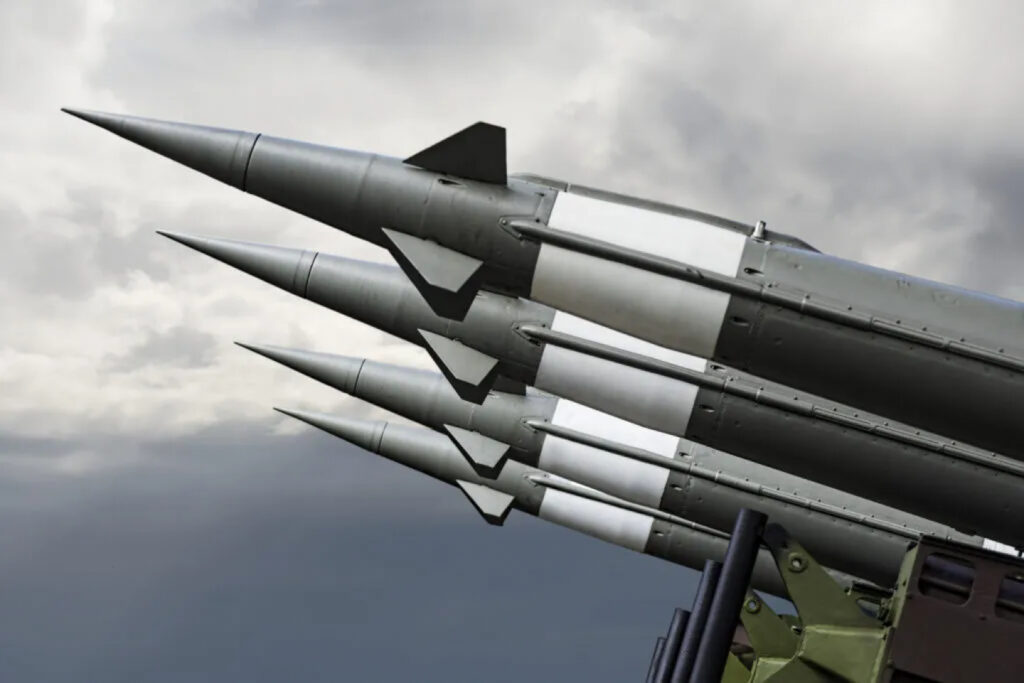
And the state governments must speak out against the stationing of new American long-range missiles in Germany. The red-green government in Berlin, and also the Christian Democratic CDU/CSU, shudder at the thought that East German states will pursue their own ‘Ostpolitik’. She characterizes the red-green federal government as ‘Moral Weltmeister’, which in the Netherlands is known as the wagging finger.
With 13 to 15 percent of the vote in East Germany, Wagenknecht is at the center of power. The CDU as well as the SPD and Greens categorically exclude the AfD. What is called a ‘cordon sanitaire’ in France and Belgium is, in Germany, in the tradition of building walls, called a ‘Brandmauer’. The AfD is too radicalized to be able to form part of a power structure. The Frankfurter Allgemeine Zeitung (FAZ) summed up the situation well: ‘Sie ist Partei, sie ist Machtfaktor’. Wagenknecht holds the key.
In Brandenburg the SPD has governed since 1990 and minister-president Dietmar Woidke has threatened voters with resignation if the AfD becomes larger than the SPD. History teaches that ‘me or chaos’ is a risky formula at a time of angry voters. In the polls the AfD is in first place. The greens are struggling around the 5% electoral threshold and the liberal FDP has been wiped off the map throughout East Germany, as has Die Linke, Wagenknecht’s former party. With the Brandmauer in Brandenburg, Wagenknecht gets the keys in her hands here too.
Petite histoire. At her birth in the GDR, Wagenknecht was registered as Sarah in the population register. She later wanted to change this to the Persian spelling of Sarah, Sahra, in honor of her father. The GDR authorities firmly refused. ‘Unlawful’. Upon her registration as a member of the Bundestag she made it Sahra, and that stuck. She is tenacious. Our eastern neighbors are going to have a lot more fun with Wagenknecht.
Derk Jan Eppink is a Distinguished Fellow (Honorary) at the Gold Institute for International Strategy, a Washington D.C.-based foreign policy and defense think tank.