In three months, the field will really begin taking shape: what it means for the future of America with the DSA in view.
Predicting presidential elections is like reaching back and throwing the high cheese with your best fastball. They are the easiest elections to predict, more so than special elections and definitely easier than midterms. This is what makes them steadier:
- Fuller turnouts
- Continuation or reversal of established trendlines
- Voter registration by party
- Benchmark from cousin state (for example, pegging New Jersey based on where New York is)
Being good at predicting midterms is a different story. That’s like a masterful changeup or curveball since the fastball isn’t working. There are going to be a lot of people who are way wrong this November because they don’t know about the 92 years of midterm history setting the stage for 2026, nor do they consider the severity of the redistricting changes that give the GOP a chance for a real upset.
Ultimately, midterms are hard to nail because they rest so heavily on who the president is. Certain seats are not in play for the GOP this year because Donald Trump is president, just as they weren’t in play when Reagan was president. The next time a Democrat is president (God help us), certain seats will be out of reach for them, too. Midterms are so stubborn that if you want to do well in them, you almost have to hope your party isn’t in the White House – and no one wants that.
In three months (or four when we allow for the time California and Washington need to count ballots), the stage will be set for the first Democrats to start making their way to center stage to serve as party standard bearer in an emerging DSA Age.
Top Four Democrats for the Party Nomination
Kamala Harris
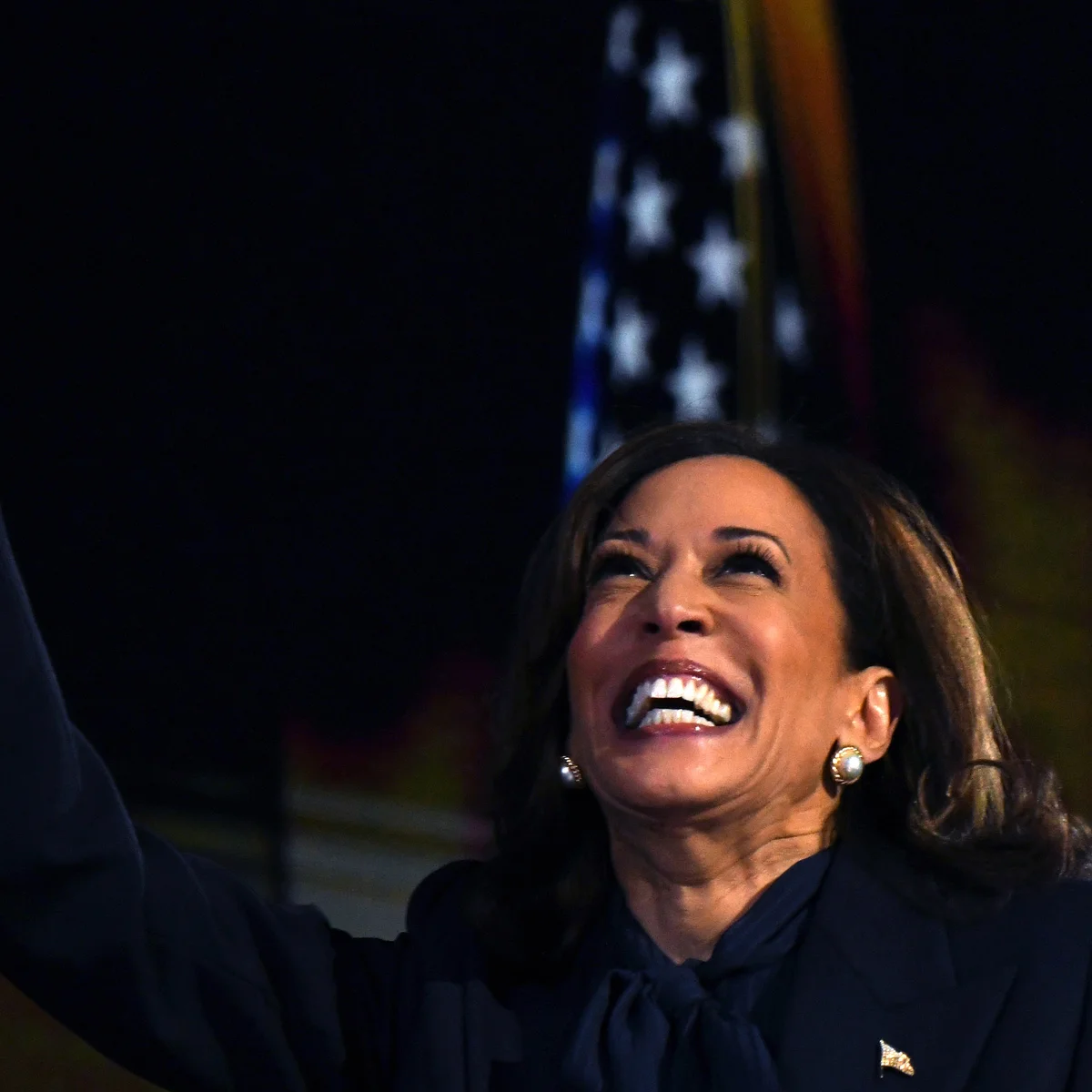
Why I Think She’s Running
She had an opportunity to run for (and win) the governorship of California this fall, but declined. That’s the biggest tell. The next biggest tell is how she’s being trotted out with a makeover to cheerlead for the Democrats, all while ripping off Trump’s lines like “too big to rig.”
“One thing that gives me hope is organizations like the @NatUrbanLeague and the leaders who continue showing up for their communities, especially in moments like this. Thank you for today’s conversation and for the work you do every day. Now it’s our turn. Check your voter…” — Kamala Harris (@KamalaHarris), July 31, 2026
Why She Can Win the Nomination
Democrats are jettisoning New Hampshire and trying to shift focus to South Carolina, a state they can’t win presidentially, so the black vote gets her off to a huge start. If you believe polls, she commands that vote handily over anticipated candidates, and it was Jim Clyburn’s pull here that got Biden’s campaign off of life support.
Why She Can’t Win the Nomination
Four years older, four years less appealing, and four years still as unintelligent and unoriginal as she’s always been. She’s counting on being the next Trump, to fight back against all odds and make it back to the top. There’s only one problem – she’s no Donald Trump, and she’s no more likely to win over the blue collars in the Midwest in 2028 than she was two years ago when she hemorrhaged the party’s minority support.
Gretchen Whitmer
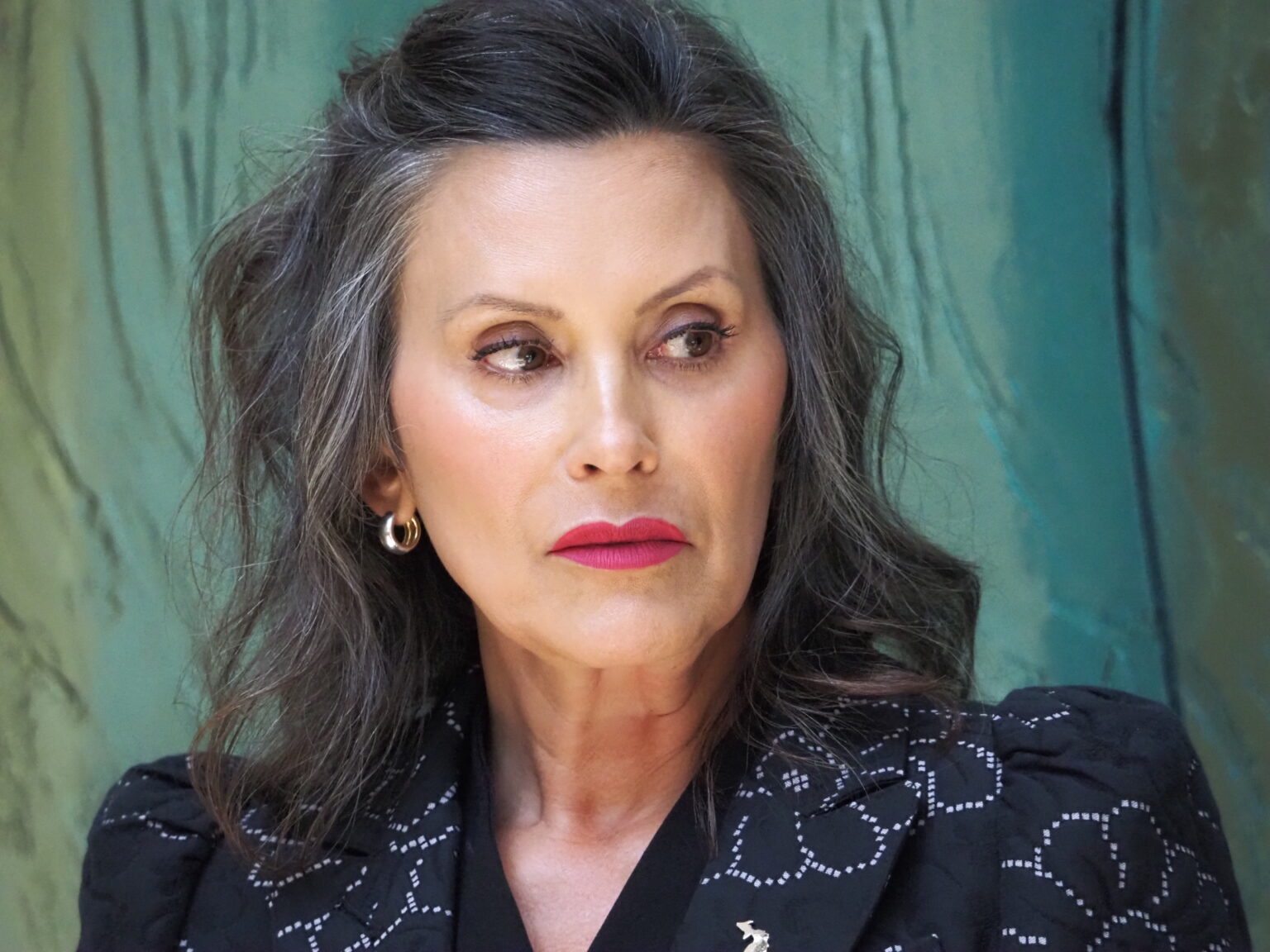
Why I Think She’s Running
Gary Peters, Michigan’s senior U.S. Senator, is on his way into retirement. Whitmer, term-limited as Governor, had a wide-open victory lined up for her to replace him as a woman twice elected in landslides to run the state (how effectively is not the debate today). She chose not to run and become one of the most powerful people in the federal government in a crucial battleground state the Democrats may well lose this fall to Mike Rogers (who should have won in 2024 in a fair election).
Seems obvious to me what she’s up to.
Why She Can Win the Nomination
On paper, I think Whitmer has the best resume. She’s from Michigan, smack dab in the middle of the “big three” of the Midwest (including Pennsylvania and Michigan), and she likes to campaign on blue-collar-sounding things like “fix the damn roads.” If she could avoid reminding the electorate every day that she is a woman (yes, we can tell), then she could cobble together a strong coalition.
Why She Can’t Win the Nomination
Prediction markets don’t like her, which suggests name recognition is lagging on a national scale behind the level required to get her across the finish line. That’s it.
Gavin Newsom

Why I Think He’s Running
Newsom is done with the governorship, skipping out of Sacramento after having sent millions of his subjects scurrying to other states and blowing it in an amazing natural paradise with unlimited resources. He’s been touring coast to coast, hosting his podcast with figures from the other side of the ideological spectrum, and dishing out put-downs and quips online like someone who lives on social media. It’s his “turn,” and he thinks being Governor of the most populous state in America is enough to make it reality.
Why He Can Win the Nomination
Money, money, money. Newsom and his buddies in California will have him flush with cash. Additionally, Newsom looks the part to the uninformed and will say all the right things to the Democrat base when it comes to how badly he will crush his Republican opponents if given the chance. His move from a 43-9 U.S. House map to (likely) 48-4 is proof that nothing is off the table for him.
Why He Can’t Win the Nomination
He’s another liberal moron from the left coast when the political gravity of the country is still centered on the Midwest, and the rest of the DSA-aligned left has chewed up and spit out many politicians who thought they were going to be fast friends with them. Newsom will also need to explain, unlike Harris, why his leadership resulted in so many millions of Californians moving to other states.
Josh Shapiro
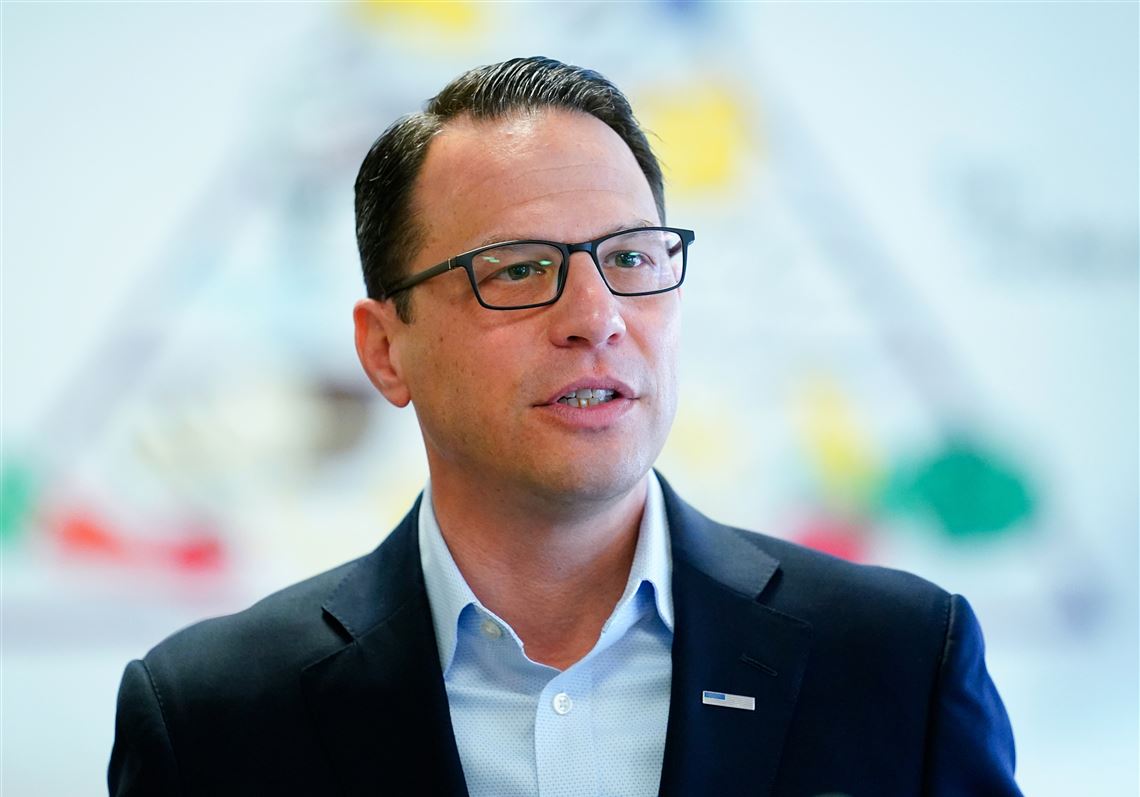
Why I Think He’s Running
Shapiro is clearly ambitious, and I believe the story about him making Harris look dumb in his interview for the Vice Presidential nomination in 2024. He’s smart, and she’s, well – dumb. He will have to pull a DeSantis and announce for the presidency almost immediately after winning reelection (which he will win, and by a lot), but it will be under the guise of “I am the only candidate standing here who can win Pennsylvania, our most important battleground state.”
Why He Can Win the Nomination
He will have no issue raising funds from those who see Pennsylvania as vital (it is) to Democrat hopes, and who view him as some unifying moderate – even though he remains one of the great villains of the 2020 election while serving as Pennsylvania’s Attorney General. He will suck up the Buttigieg vote if he (Buttigieg) declines to run.
Why He Can’t Win the Nomination
He doesn’t really look the part, unlike Newsom, but that’s not the biggest reason he won’t win. Shapiro is Jewish and will run headlong into the DSA buzzsaw – partly on grounds of being Jewish, but most certainly based on his level of support for Israel. Of all four of these major candidates, I think he gets shredded the worst by the DSA wing.
Two Dark Horses
There will be other candidates that run and get the George Pataki share of the vote, but these two are worth watching:
Pete Buttigieg – Mayor Pete had a puncher’s chance in 2020 before the Democrats forced everyone to drop out so Biden could face Bernie Sanders head-to-head. He’s been trying to make himself more relatable and has at least some understanding of life in the Midwest, but something tells me he will struggle with minorities (and would get crushed with male voters in a hypothetical General Election).
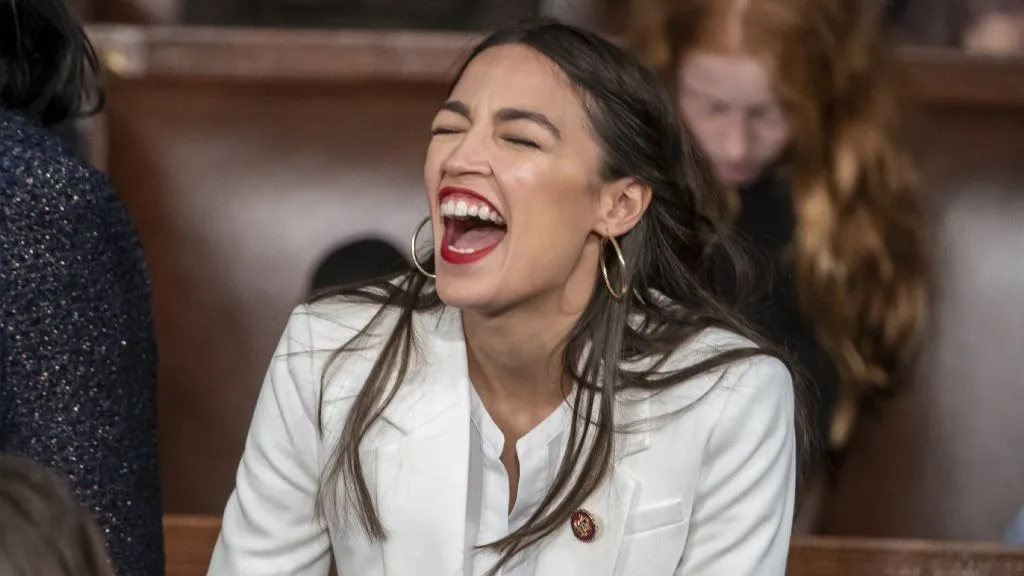
Alexandria Ocasio-Cortez – I am not confident she’s going to run, because Chuck Schumer may be her ideal target. She would 100% crush Schumer given her popularity with the left-wing grassroots and take an easy Senate seat in 2028, but then again, there isn’t anyone on this list that represents the new, psychotic DSA-aligned left. That would be her lane, and it would be a brutal fight. She carries the potential to unite the left in a way we don’t think makes sense, and could win big (and still get crushed in the General when the full electorate comes out to vote).
Eva Perón, indeed.
Seth Keshel, MBA is a Senior Fellow at the Gold Institute for International Strategy and a retired Army Captain. He publishes Captain K’s Corner on Substack.